Frequently Asked Questions
The most-asked questions about italian regions.
What exactly are Italian regions in this context?
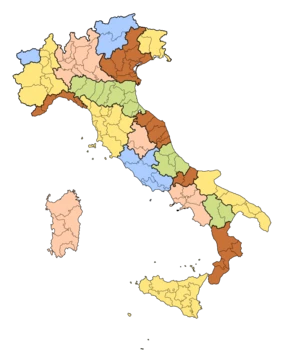
Italy is divided into 20 administrative regions, each with its own elected government, distinct cultural identity, and historical personality. Think of them as the core 'cast' of the Italian story, each with a unique backstory, dialect, cuisine, and set of traditions.
How many regions are there, and are they all equal?
There are 20 regions in total: 15 ordinary and 5 with special autonomous status (Sicily, Sardinia, Trentino-Alto Adige, Valle d'Aosta, and Friuli-Venezia Giulia). The autonomous ones enjoy broader legislative and fiscal powers because of their geographic or linguistic distinctiveness.
Which regions are the most 'iconic' or frequently referenced?
Tuscany, Sicily, and Lombardy tend to dominate popular imagination for their art, history, and economic weight. Campania (home of Naples) and Emilia-Romagna also get heavy mention for food culture, while Veneto and Piedmont round out the most-searched names.
Where should a newcomer start exploring?
Tuscany is the most common on-ramp because its medieval hill towns, Renaissance art, and wine culture make the 'Italian region' concept immediately tangible. From there, comparing it to a coastal region like Calabria or a northern one like Friuli-Venezia Giulia quickly shows how much variety exists within the country.
What makes each region different from the others?
Differences run deep: dialects can be mutually unintelligible, culinary traditions (pasta, cheese, bread) vary province by province, and even architectural styles shift from the marble facades of Liguria to the earthen villages of Abruzzo. Language, religion, and local festivals all create a distinct 'voice' for every region.
What is a key historical moment that shaped the modern regional layout?
The 1948 Constitution, adopted after World War II, formally established the regions as first-level administrative units, replacing the older prefecture system. A 1970 law then set the internal boundaries that still define most of today's 20 regions, though a few adjustments (like the creation of Aosta Valley's special status) have been tweaked since.
Do regions have their own flags, anthems, or symbols?
Yes—nearly every region maintains a coat of arms, a flag, and in many cases a regional anthem and patron saint. These symbols are used on government buildings, sports events, and local celebrations, functioning much like a team identity within a larger national league.
How does the economy differ across the regions?
Northern regions like Lombardy and Emilia-Romagna drive much of Italy's industrial and banking output, while central regions lean on tourism, agriculture, and small manufacturing. Southern regions such as Campania, Puglia, and Sicily have historically faced slower growth, though they contribute enormously through agriculture, tourism, and creative industries.
Are there ongoing debates or 'plot threads' about the regions?
Yes—questions of fiscal autonomy, whether the north should pay less to the south, and how much power Rome should cede to regional governments remain active political discussions. Linguistic minorities in places like South Tyrol and Sardinia also keep pressing for greater cultural recognition.
What is the single most notable 'fact' a fan should remember?
Despite sharing one flag and one capital, Italy's 20 regions collectively preserve a level of internal cultural diversity that rivals an entire continent. A person from Sardinia and a person from Molise may share a passport yet speak, cook, celebrate, and build in ways that feel almost like different countries.